Gibraltar and Spain Embrace Open Borders
Every morning, Shilpi Chotrani makes her way from La Línea de la Concepción in Spain to her workplace in Gibraltar. Despite the short distance, she has to cross an international border. Gibraltar, a British Overseas Territory home to about 40,000 people, has had stringent border controls in place for over a century. However, starting 15 July, these controls are set to be removed, allowing free movement between Gibraltar and Spain. This development follows a carefully crafted agreement between the European Union and the United Kingdom post-Brexit.
Implications for Commuters and Local Economy
During peak hours, approximately 15,000 Spanish workers commute to Gibraltar, and the removal of border checks is anticipated to ease their daily travel. Chotrani, who works in human resources within the Gibraltarian shipping and tourism sector, expresses her eagerness for the change. "It seems absurd that a fence should divide us," she states, hopeful that this change will facilitate better interaction between the two regions.
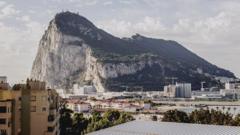
Gibraltar, located strategically at the southern tip of Europe, has historically been a point of contention, witnessing military conflicts and sovereignty disputes. The new agreement reflects a significant shift, aligning Gibraltar with the EU's customs union and the Schengen Zone, thereby enabling seamless movement of people and goods.
Economic Impact and Regional Dynamics
Gibraltar boasts one of the world's highest per capita incomes, contrasting sharply with the economic struggles of La Línea de la Concepción, where unemployment rates are high. The border opening is expected to enhance economic integration and support local businesses on both sides. Juan Franco, the mayor of La Línea, highlights the economic dependency on Gibraltar, noting that a significant portion of local business revenue comes from Gibraltarian clients.
The transition marks a resolution to the prolonged uncertainty surrounding Gibraltar's relationship with Spain post-Brexit. Franco anticipates positive outcomes from this agreement, which he believes addresses the complexities introduced by Brexit.
Political and Historical Context
Gibraltarians largely opposed Brexit, with 96% voting to remain in the EU, driven by concerns over sovereignty and economic connections with the EU. The new arrangement has been years in the making, involving negotiations between the UK, Spain, and the EU. Under the new system, travellers from non-Schengen countries will need to present passports upon arrival in Gibraltar.
"This change represents complete fluidity of people and goods," states Gibraltar's Chief Minister, Fabian Picardo, underscoring the economic benefits of increased visitor numbers.
Spain's foreign minister, José Manuel Albares, echoes this sentiment, describing a "new era" for Gibraltar. The deal also requires goods sold in Gibraltar to meet EU standards, which had not been mandatory before. Additionally, a new transaction tax is being implemented to replace import duties, with rates set to rise over time.
Business Community's Reaction
John Isola, managing director of the Anglo Hispano Company in Gibraltar, expresses relief that the Brexit-related uncertainties have been resolved without imposing a hard border. He considers the agreement a reasonable compromise that could boost tourism and trade. Nonetheless, Isola acknowledges the challenges posed by new regulations and taxes, particularly concerning the compliance with EU standards for imported goods.
Gibraltar and La Línea de la Concepción are preparing for this historic change, with the dismantling of the border fence underway. As the region stands on the brink of this new phase, it looks forward to the potential for enhanced cooperation and prosperity.
Source: Original Article